 Chicago Loop, Downtown Chicago, South Loop
 260 rooms
 Chicago Loop, Downtown Chicago, South Loop260 roomsDowntown Chicago, Magnificent Mile, Near North Side180 roomsDowntown Chicago, Near North Side273 roomsDowntown Chicago, Near North Side, River North229 roomsChicago Loop, Downtown Chicago384 roomsGold Coast, Near North Side164 roomsChicago Loop, Downtown Chicago209 roomsChicago Loop, Downtown Chicago, Theatre District191 roomsChicago Loop, Downtown Chicago, South Loop145 roomsChicago Loop, Downtown Chicago, Theatre District360 rooms
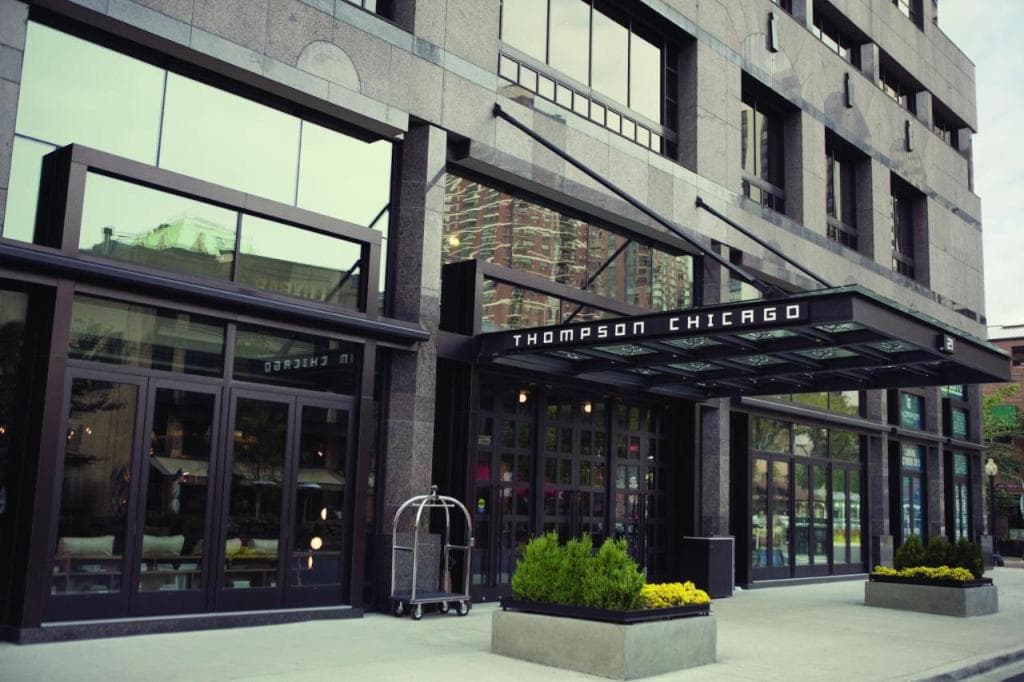
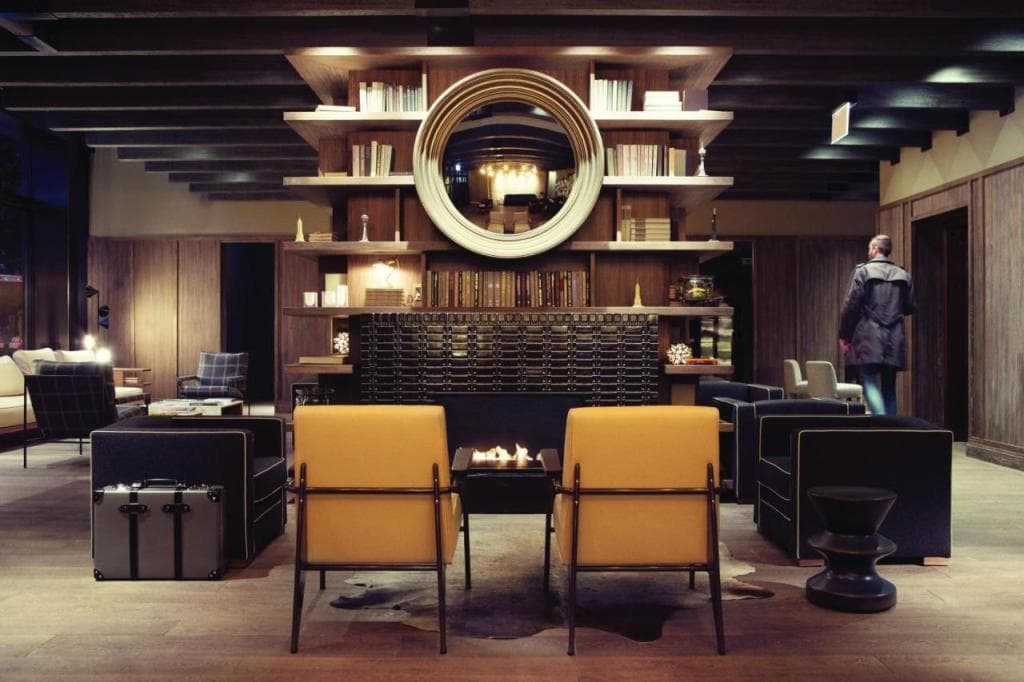
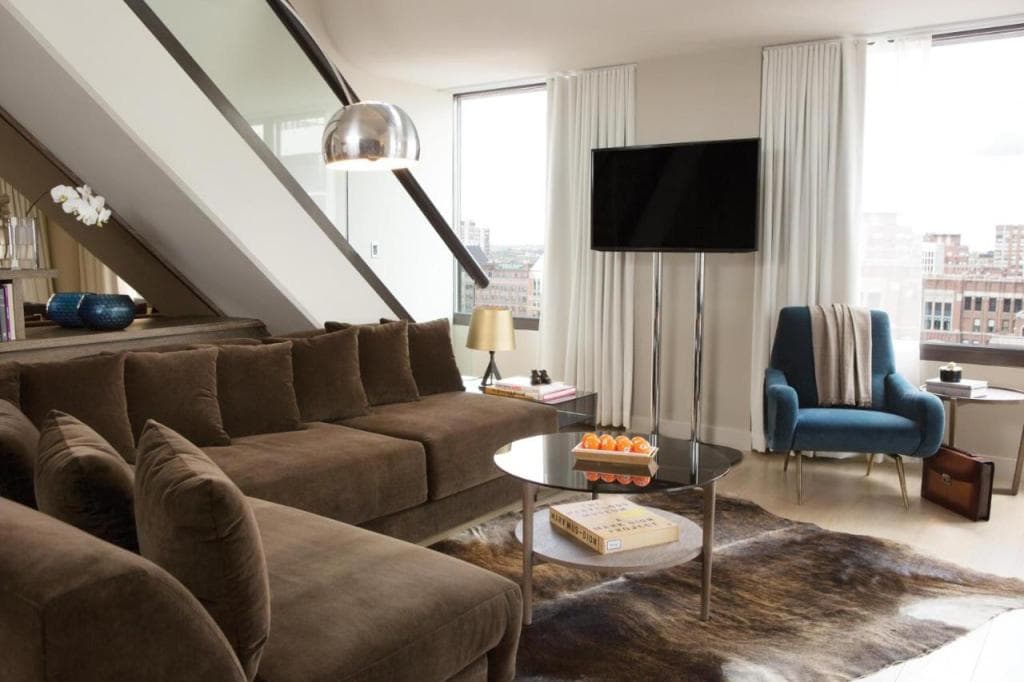
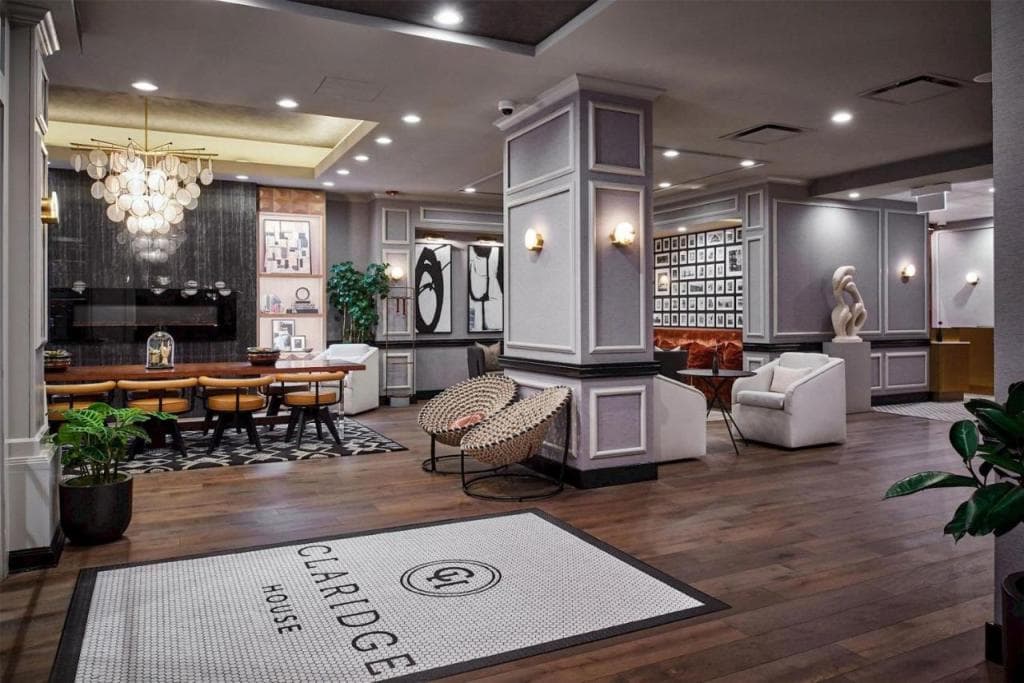
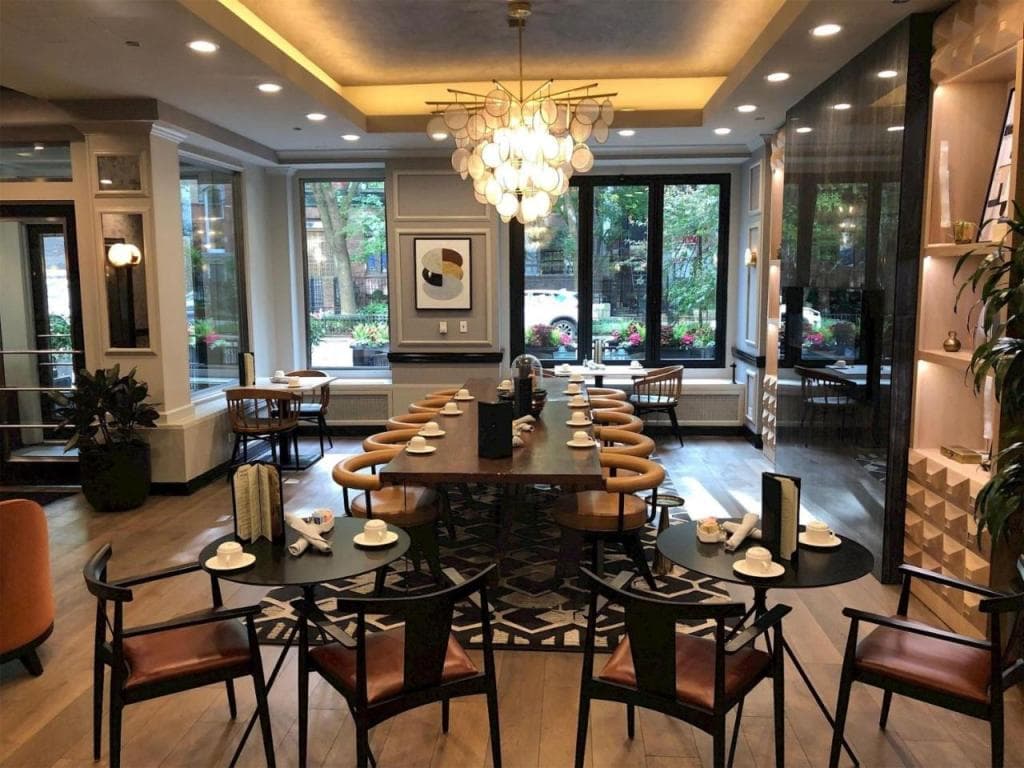
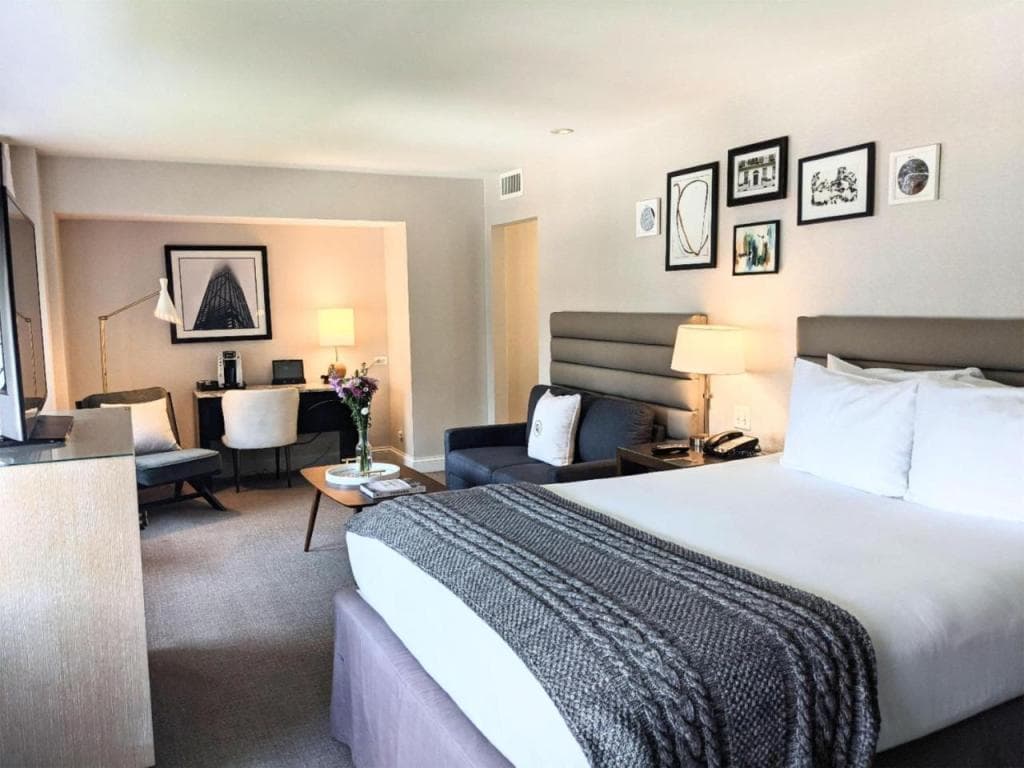
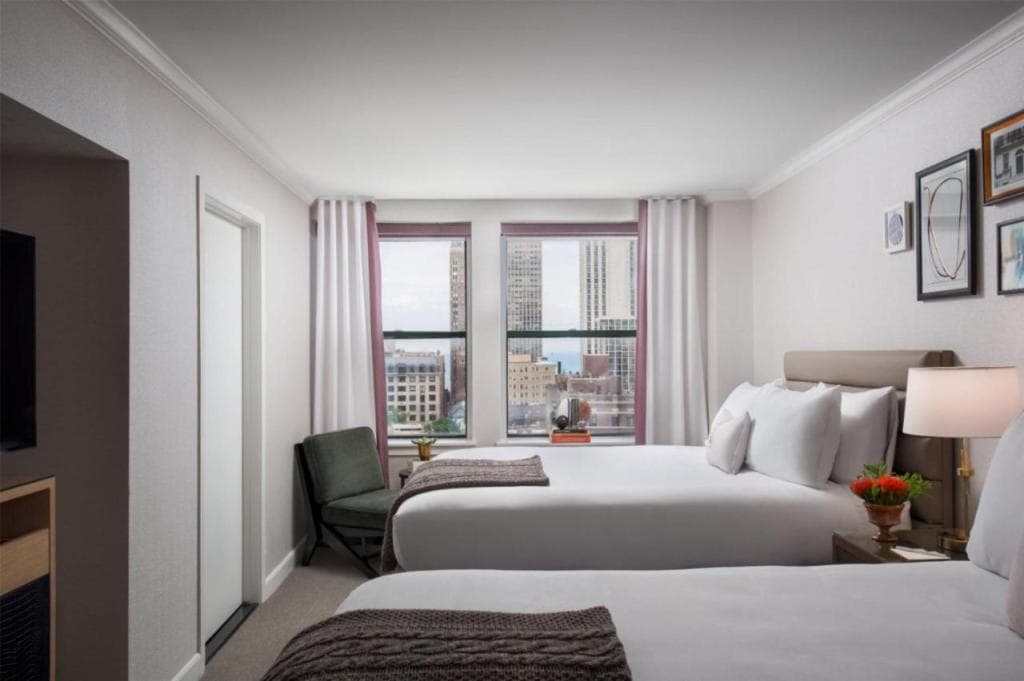
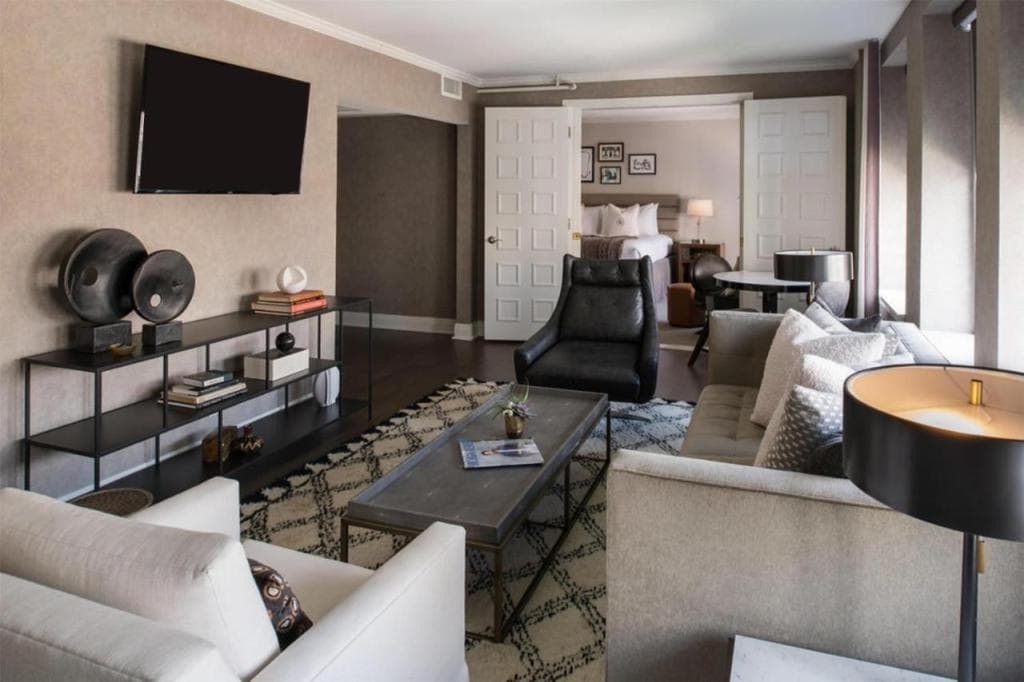
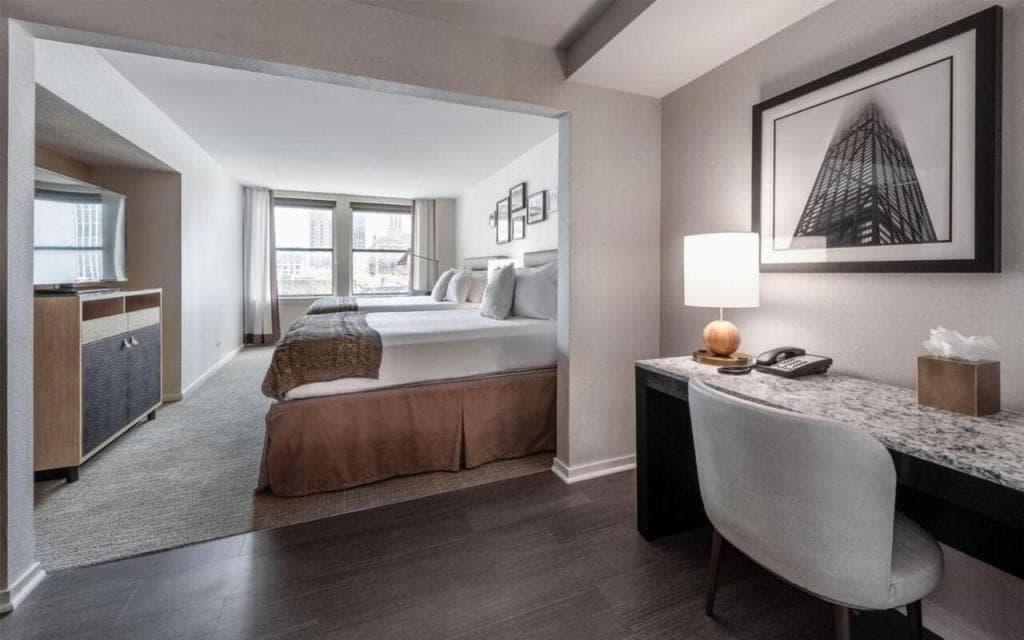
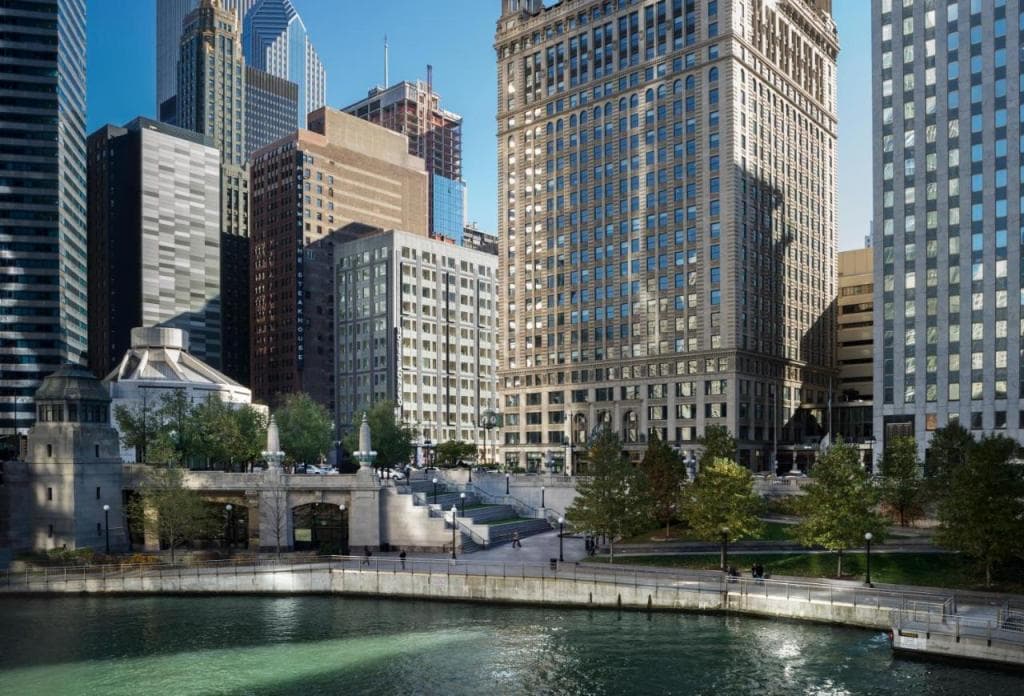
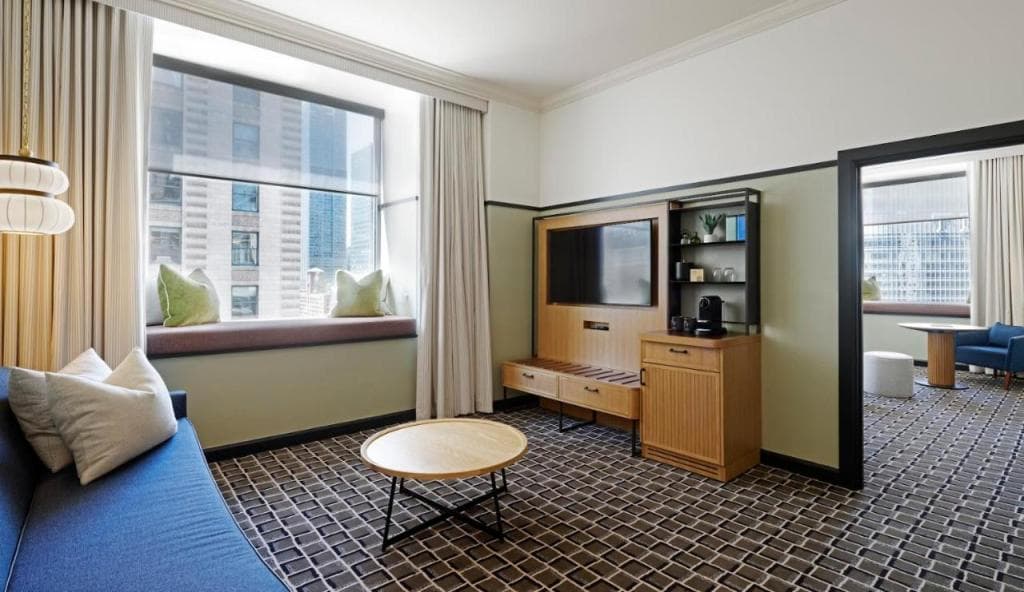
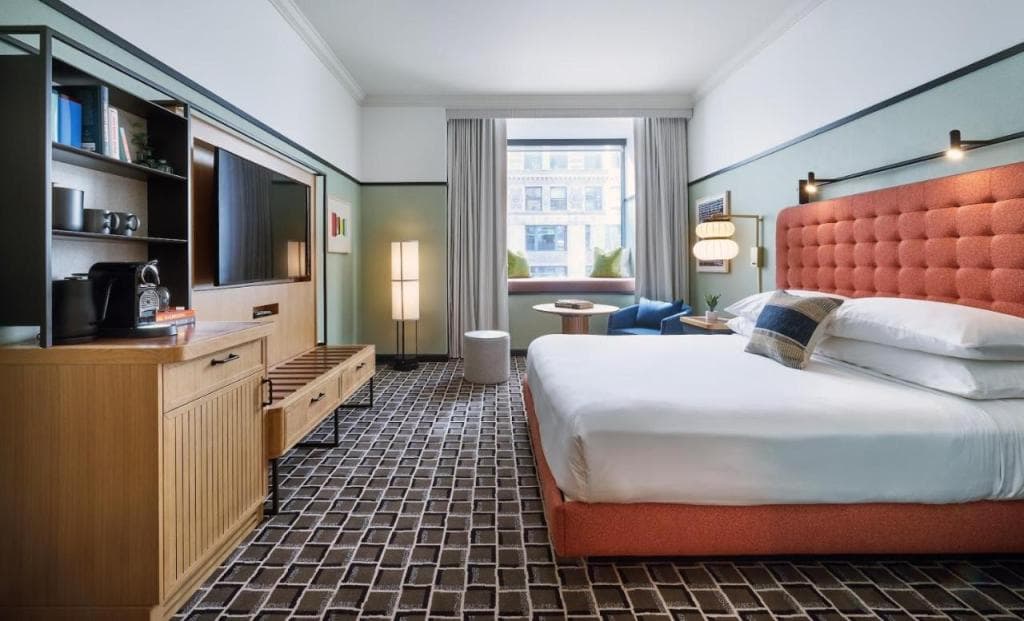
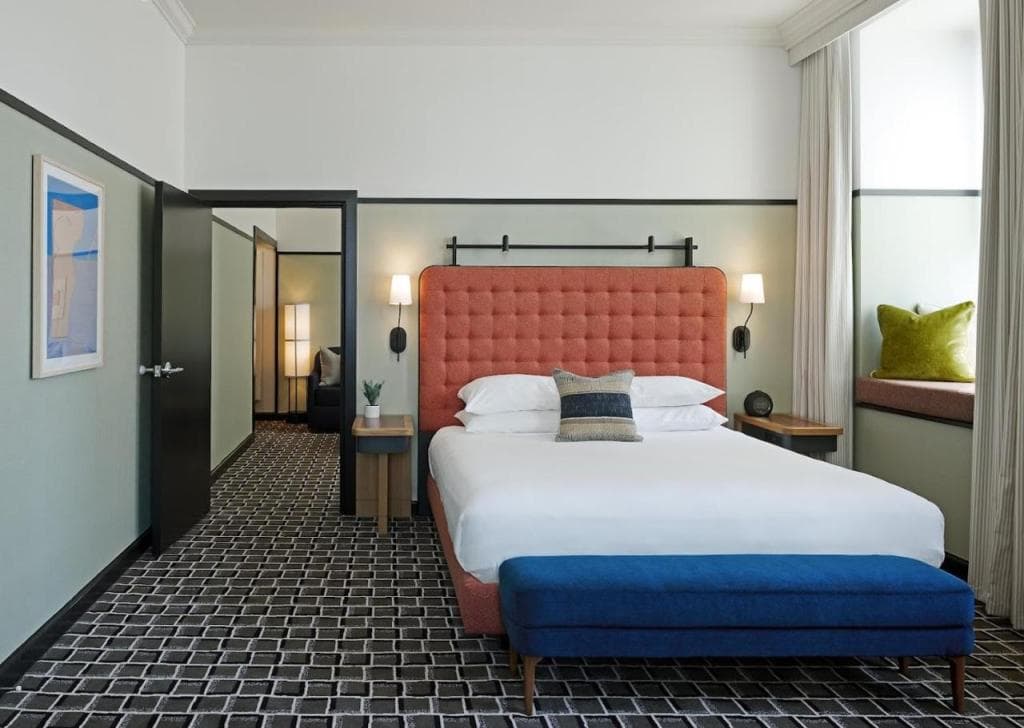
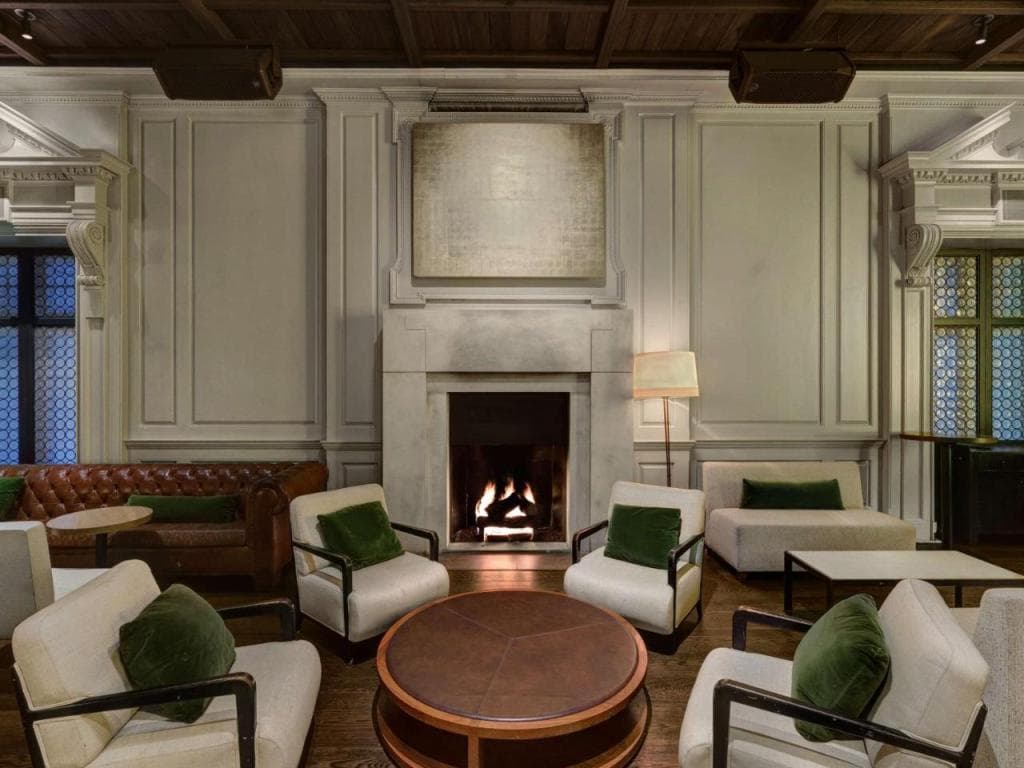
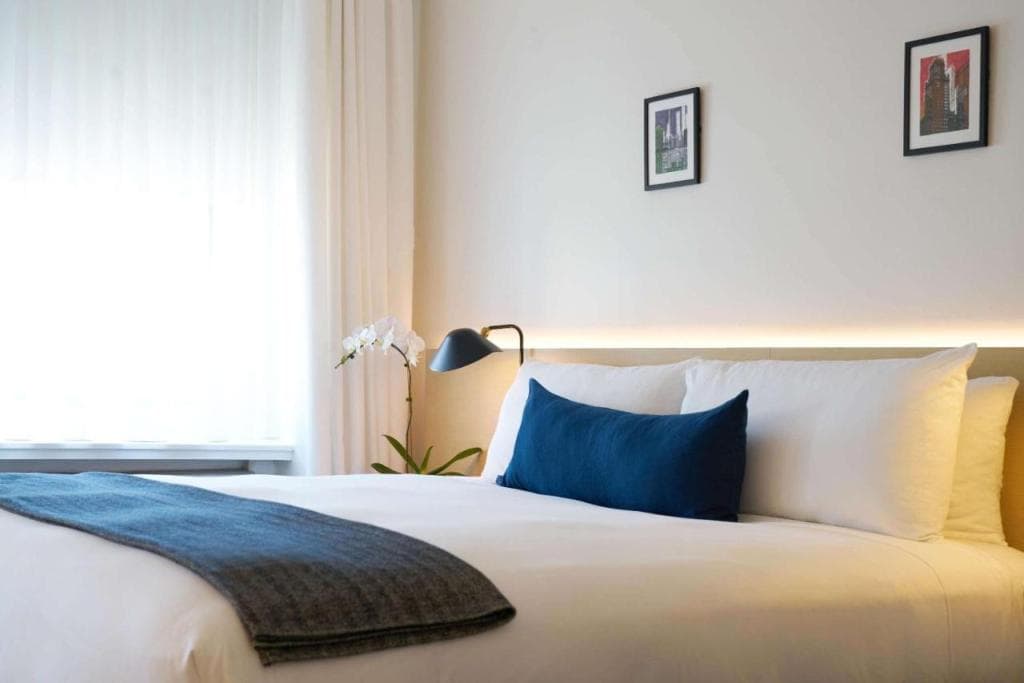
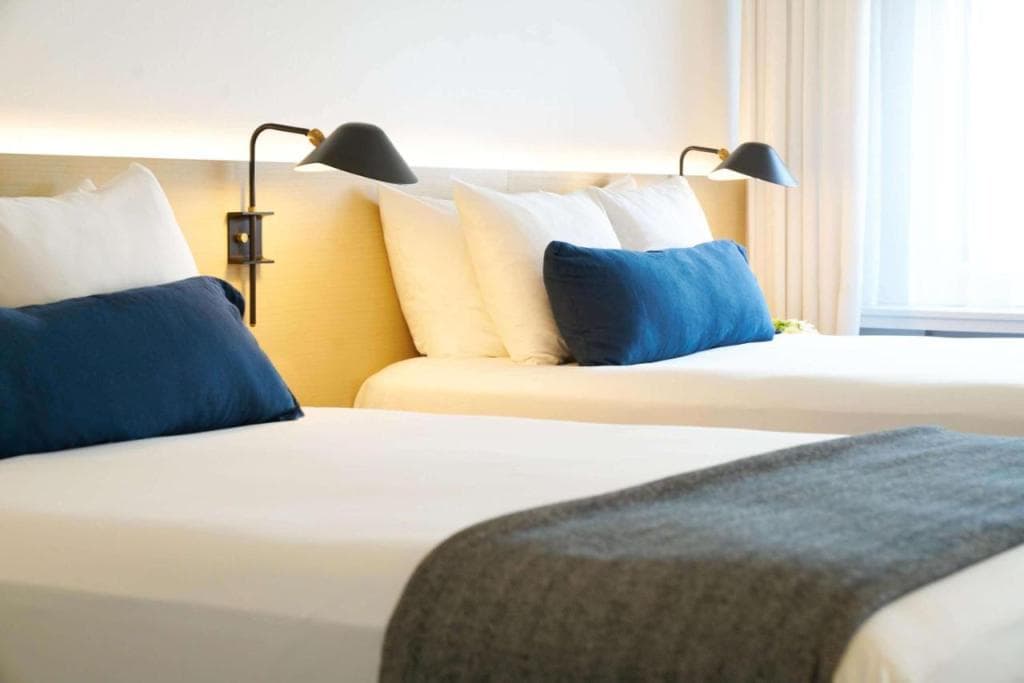
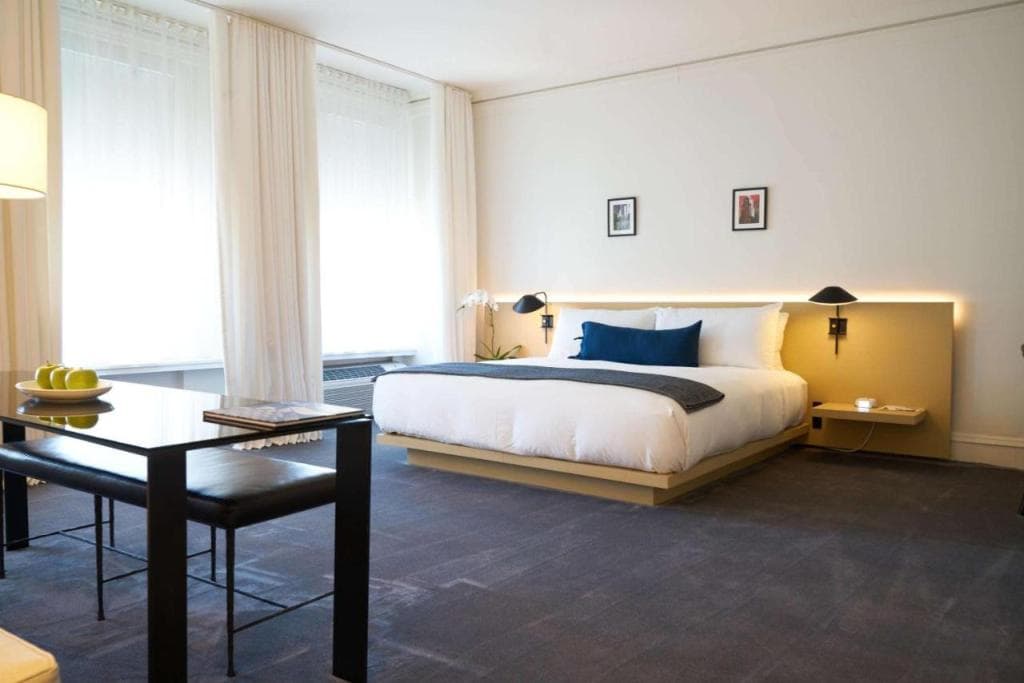
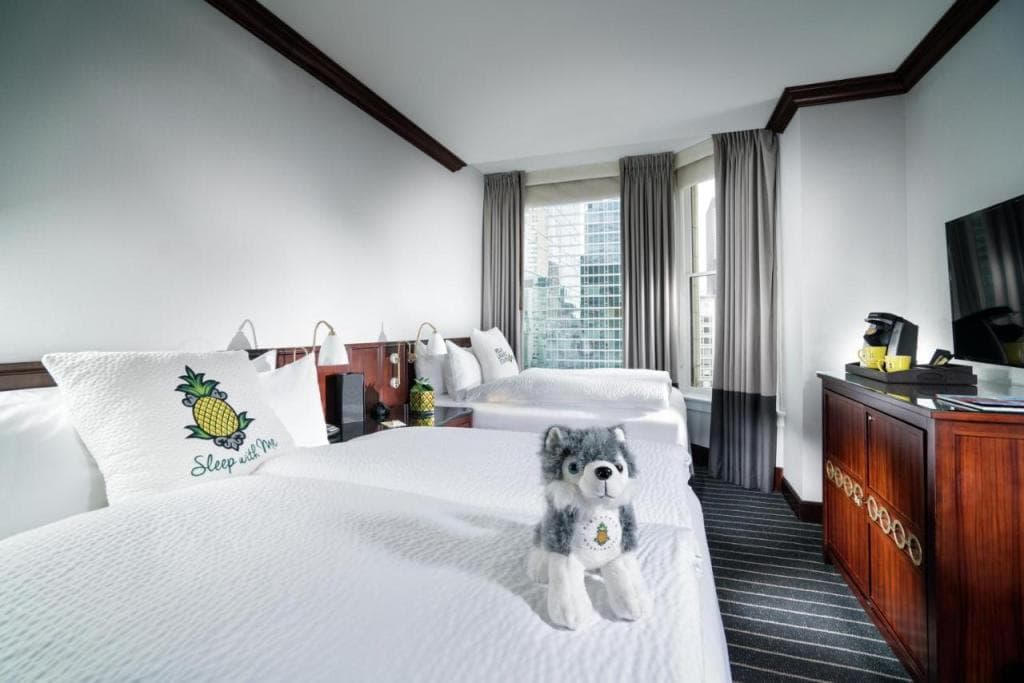
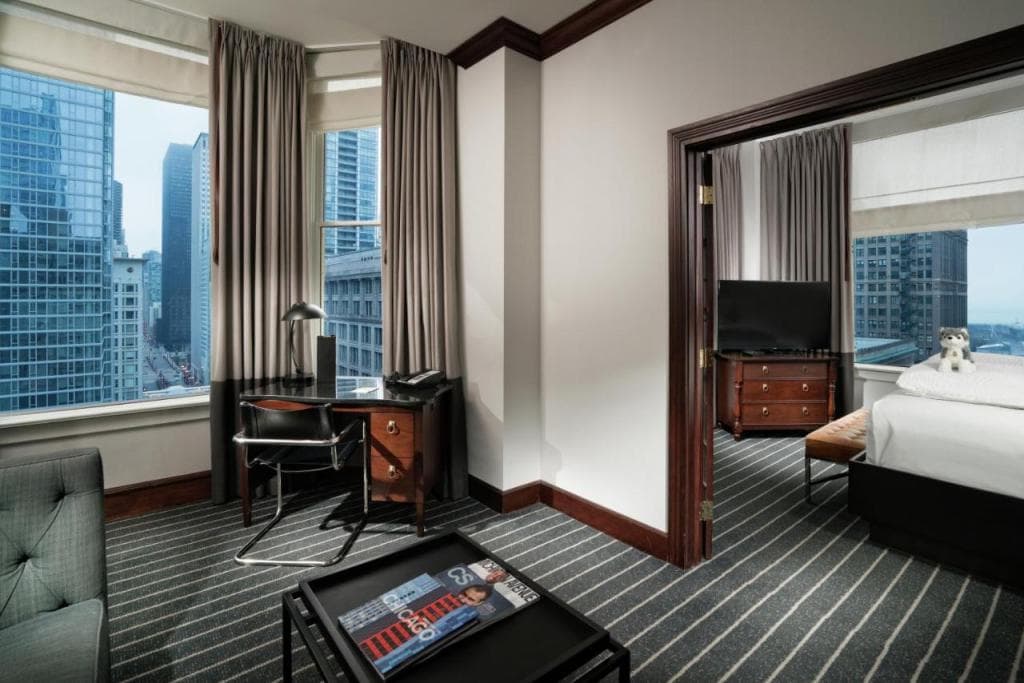
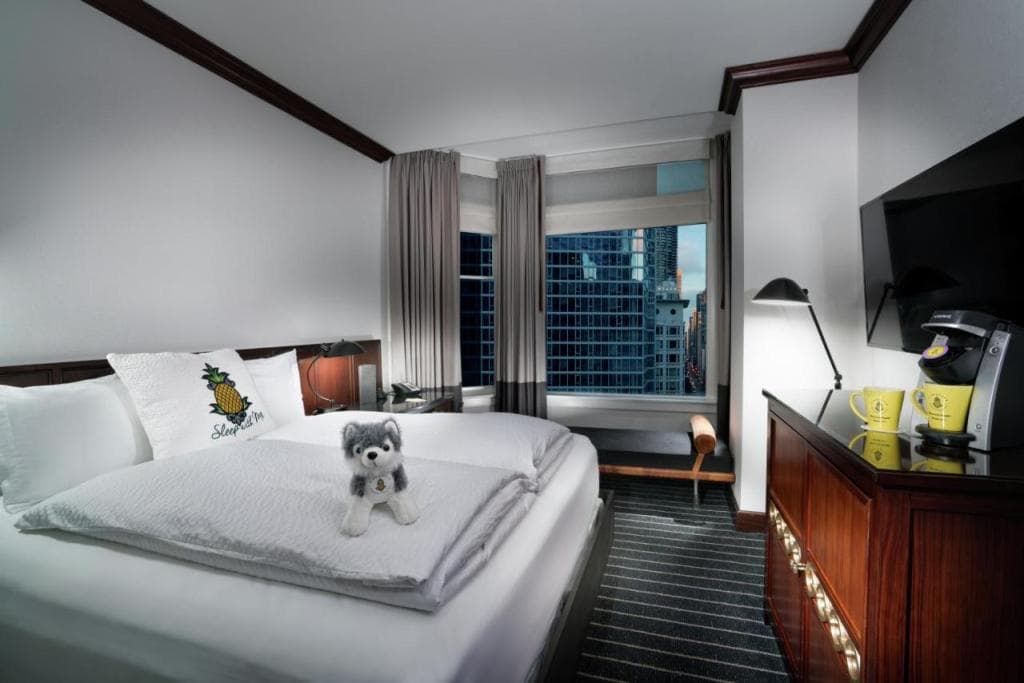
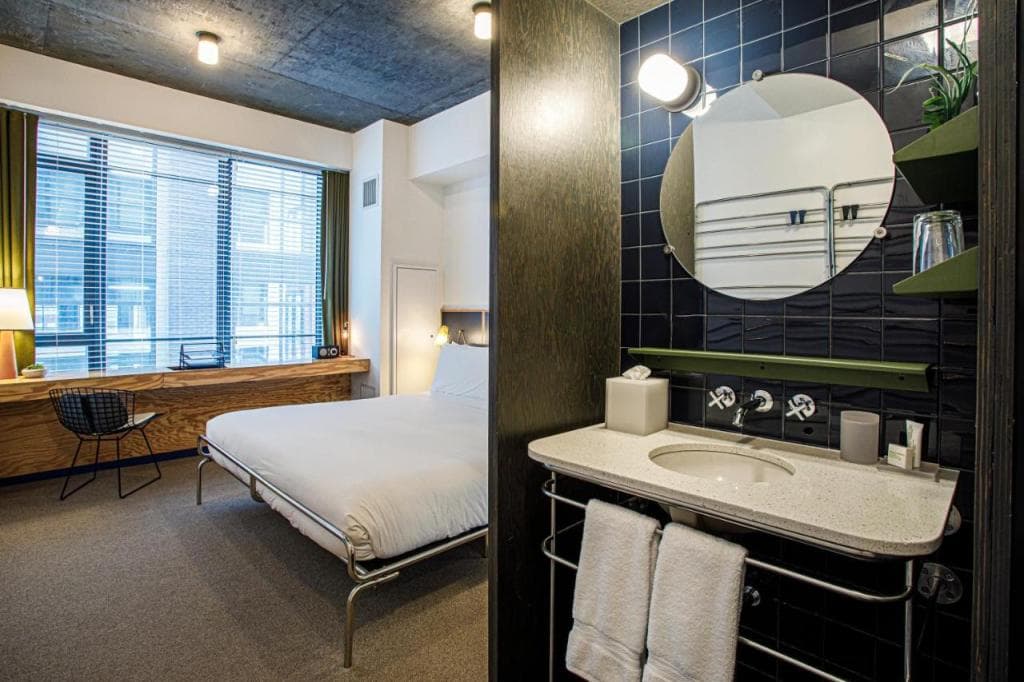
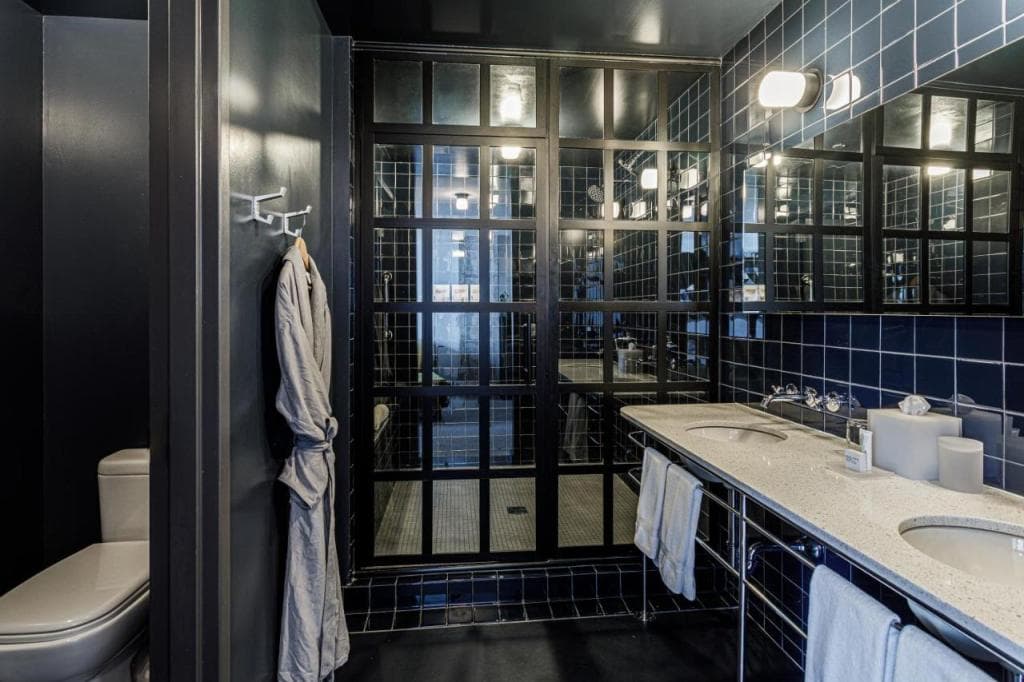
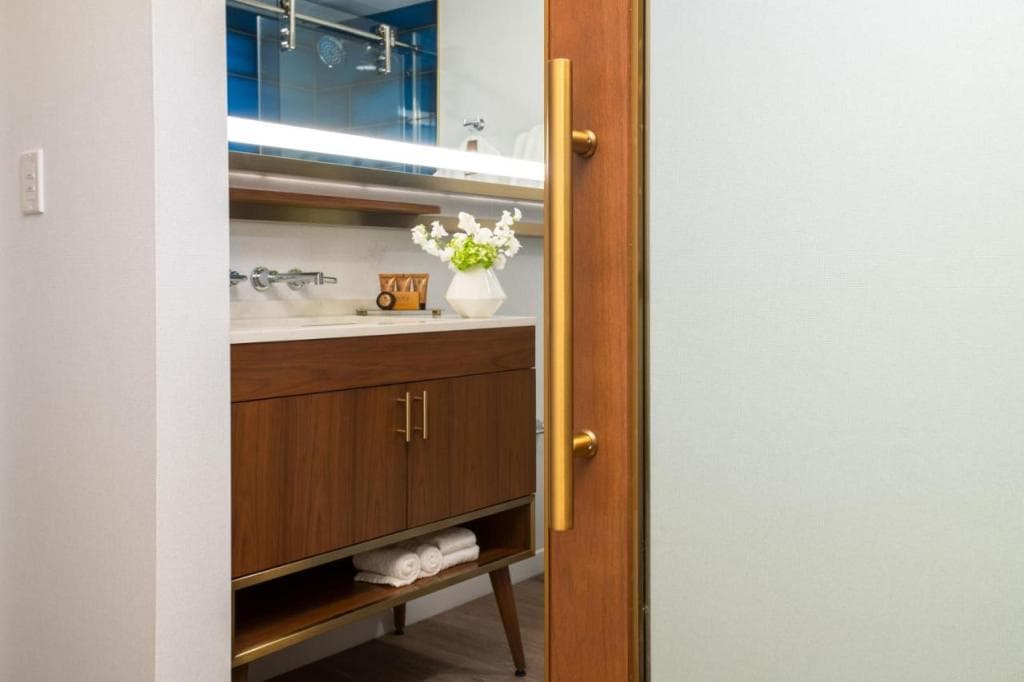
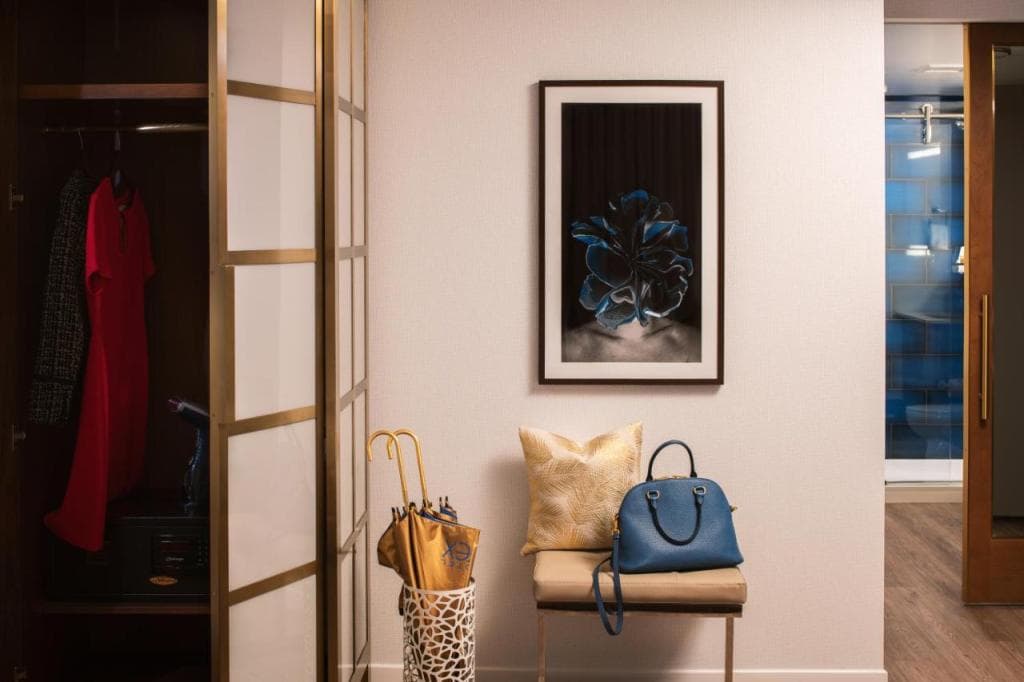
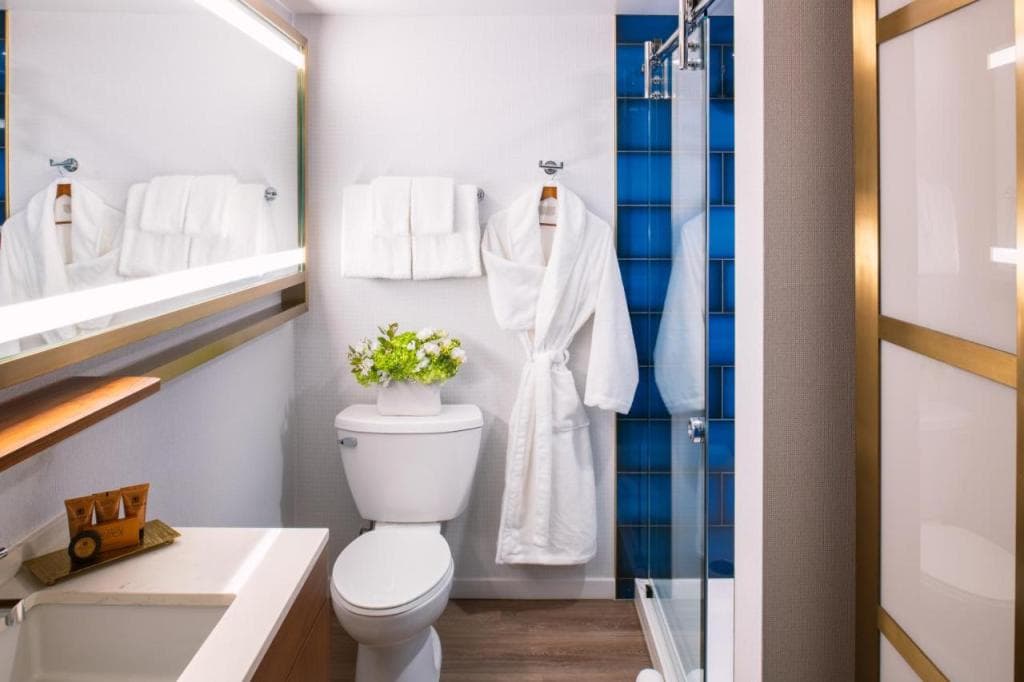
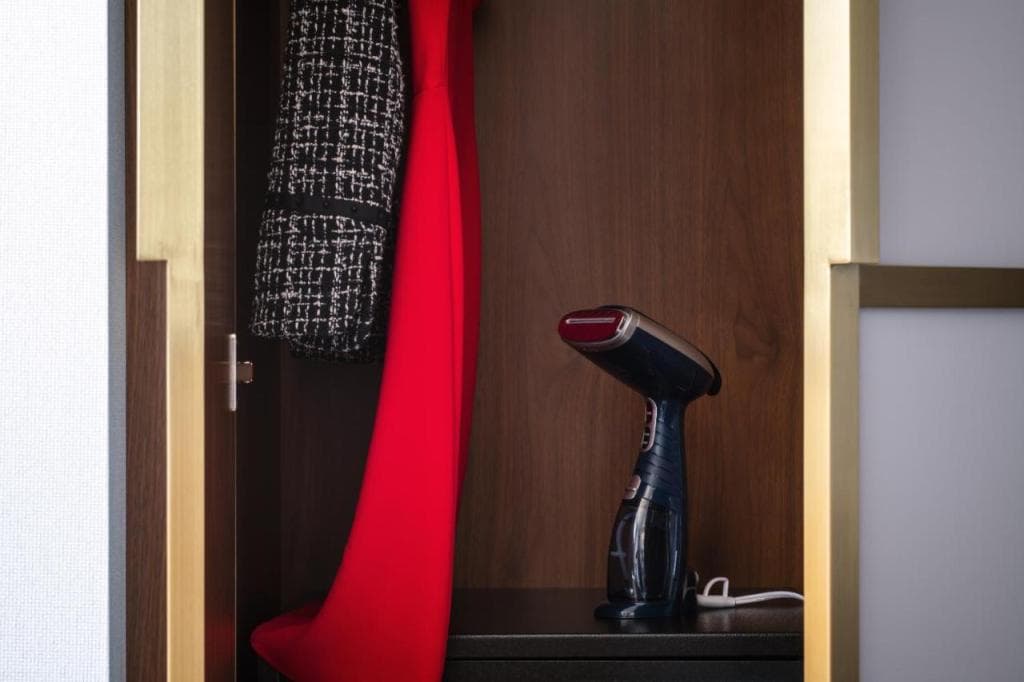
This contemporary hotel is in the heart of the city, steps from Chicago city center's main attractions, including the Skydeck Ledge and the Willis Tower - formerly the Sears Tower. Discover the luxur
Downtown Chicago, Magnificent Mile, Near North Side, River North280 rooms## Prime Location Hotel 55 Chicago Downtown in Chicago offers a central position with Ohio Street Beach a 14-minute walk away, Water Tower Chicago 1640 feet nearby, and Millennium Park 1 mi from the
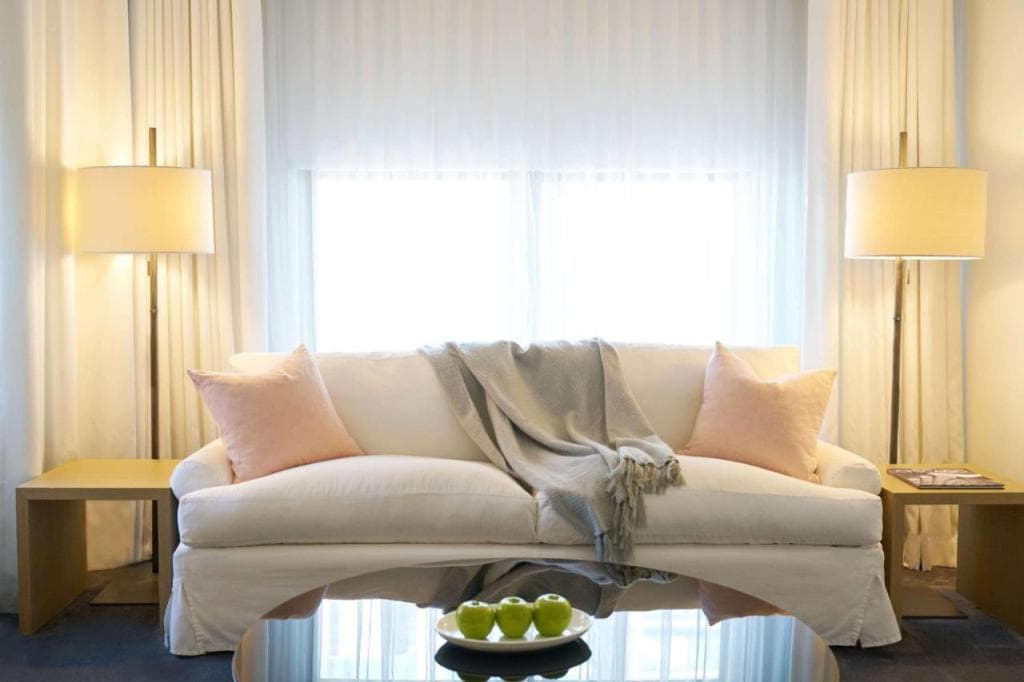
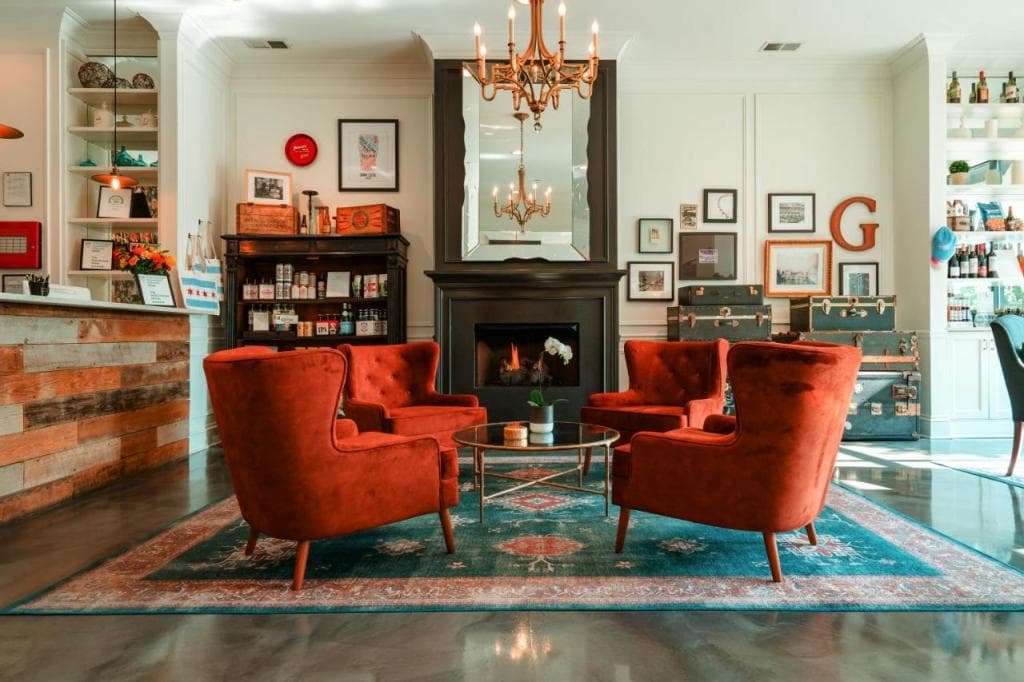
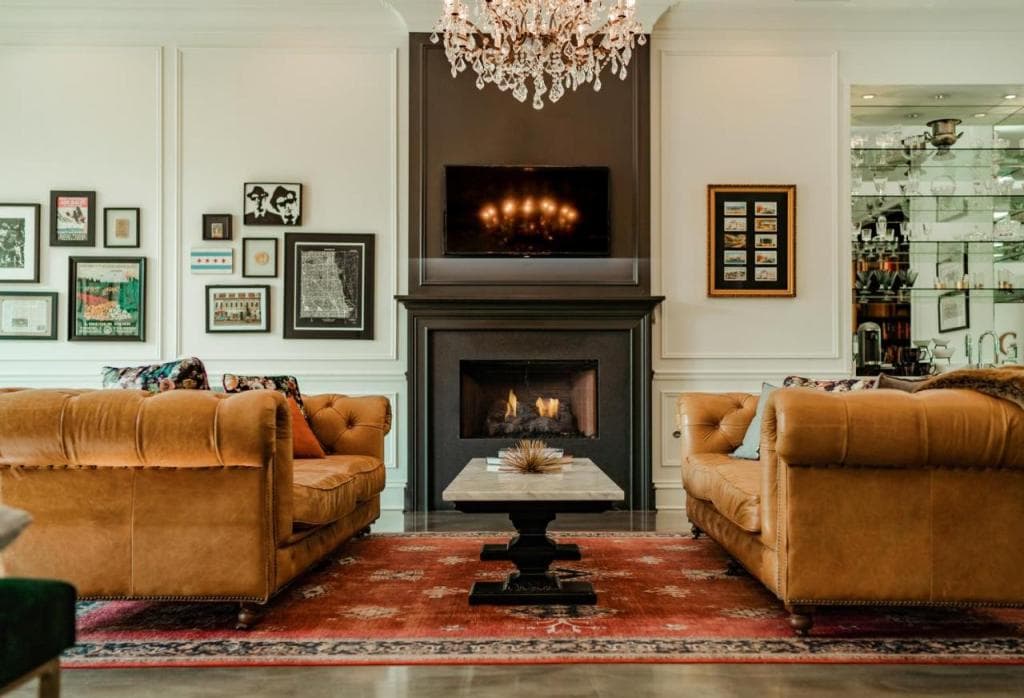
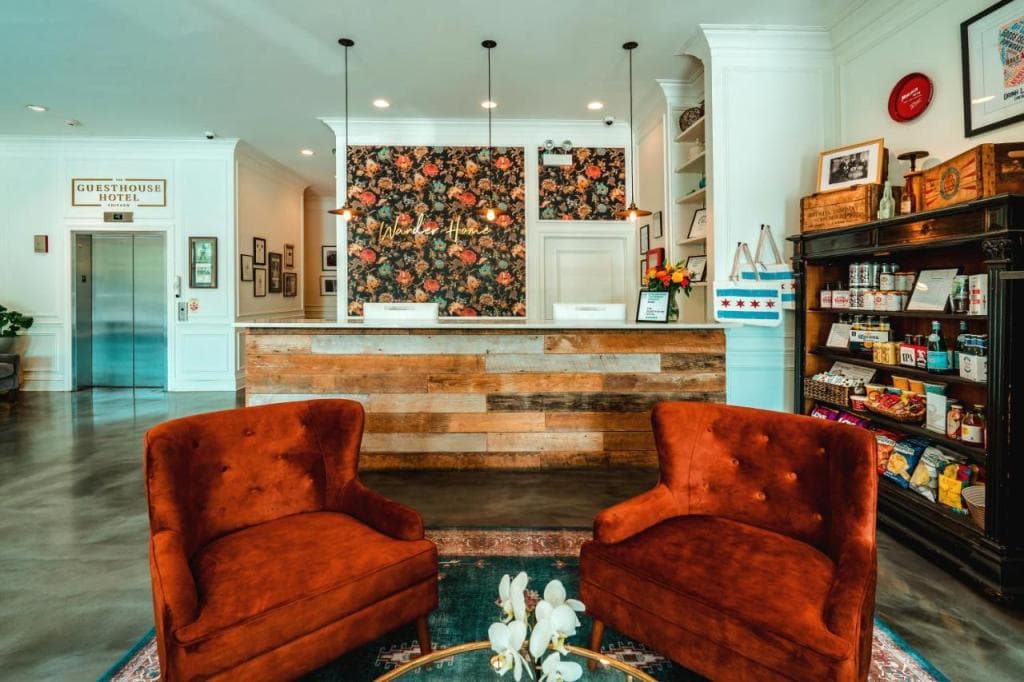
ChicagoRavenswood25 roomsFeaturing suites with gourmet kitchens and an on-site fitness center, The Guest house Hotel is located in Chicago. Montrose Beach, on Lake Michigan, is 1.7 mi away. Free WiFi access is available. Eac
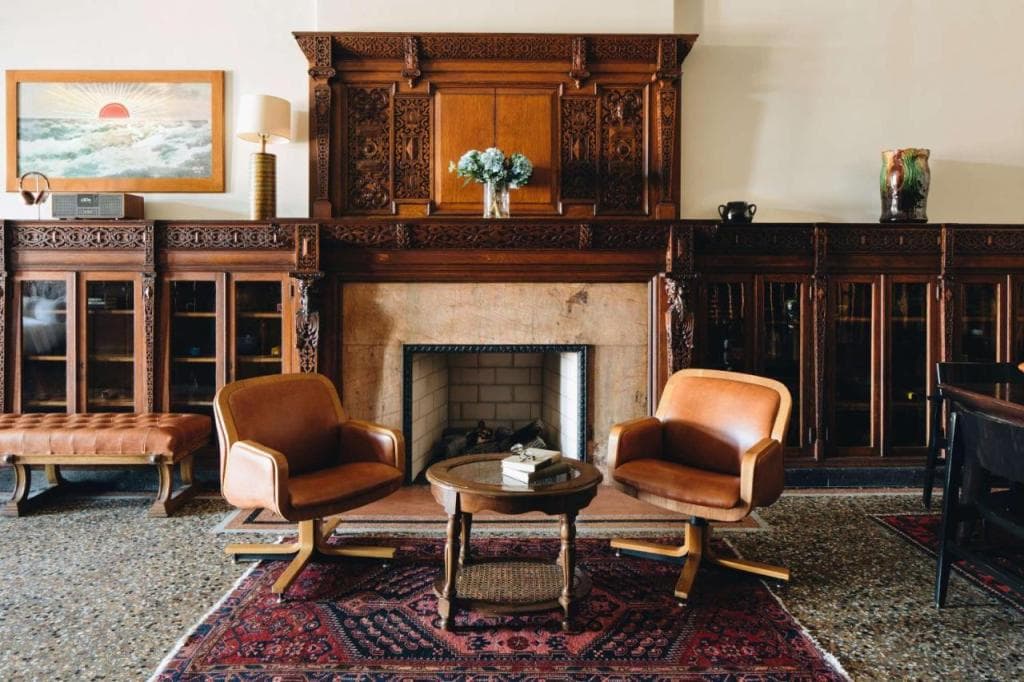
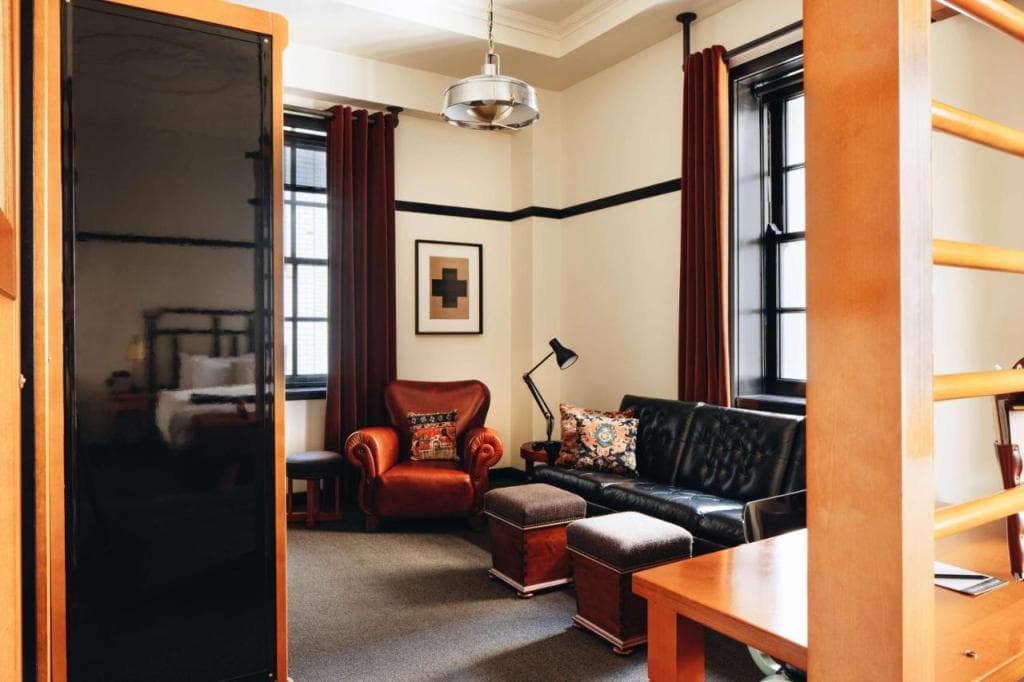
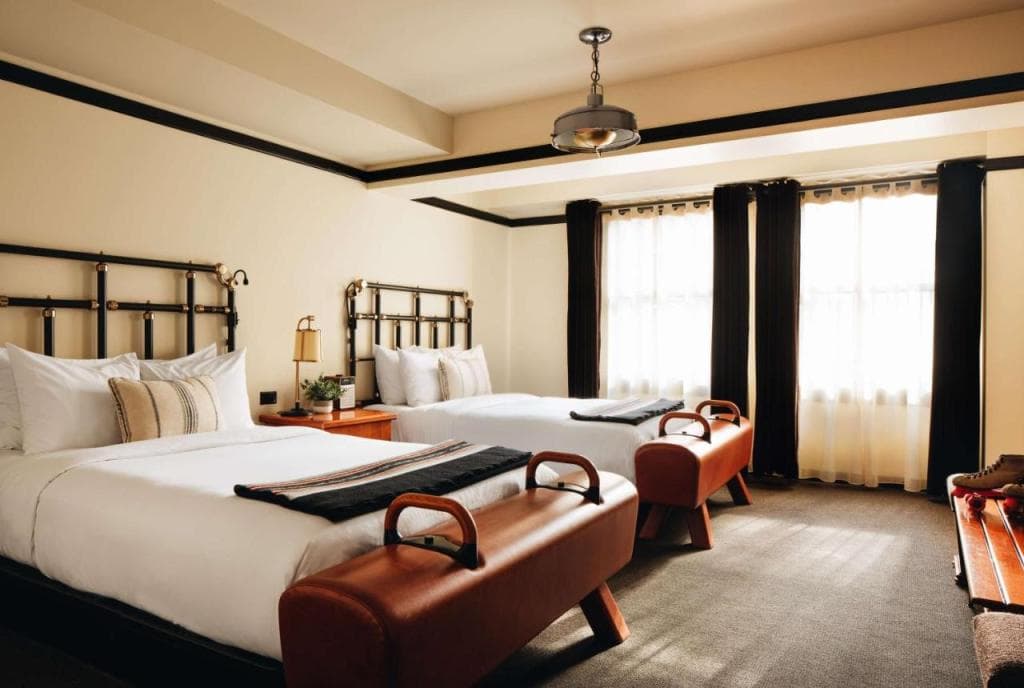
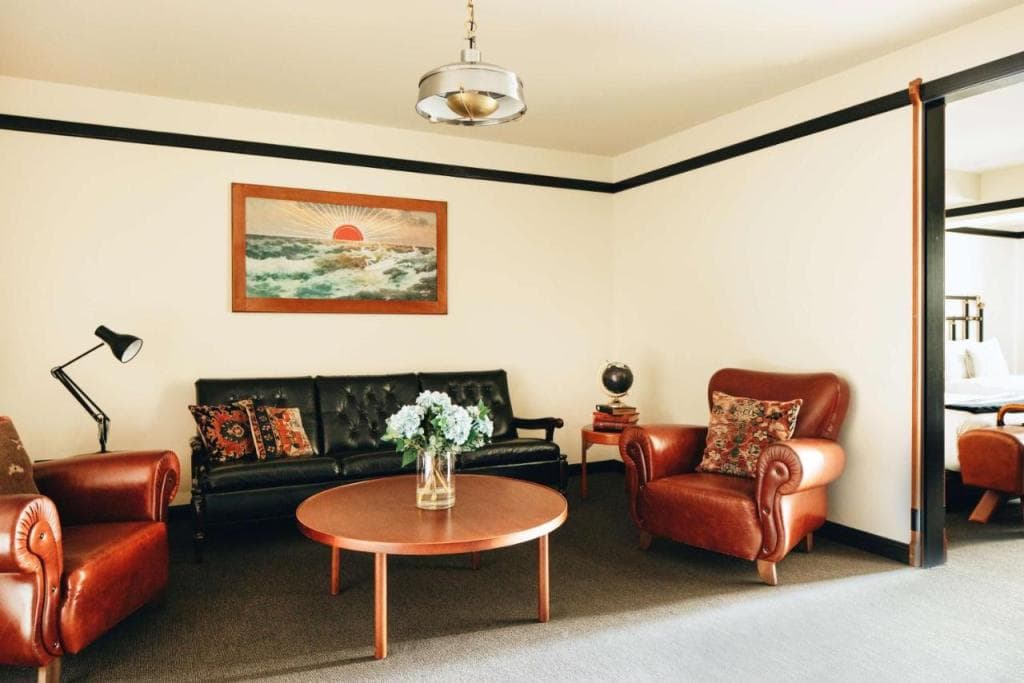
Chicago Loop, Downtown Chicago, Theatre District240 roomsA rooftop bar overlooking Millennium Park, unique dining options and a social games room awaits at the Chicago Athletic Association, part of Hyatt. This hotel, located in a landmark building in downto
Chicago Loop, Downtown Chicago, Theatre District122 roomsNear North Side, Old Town10 roomsThe Sono Chicago is located in The Old Town neighborhood of Chicago. Lincoln Park Zoo is only 0.7 mi away. Parking is free with permit provided by The Sono Chicago. The rooms are fitted with a flat-s
West Town, Wicker Park90 roomsWest Loop158 roomsWest Loop162 roomsWelcome to The Hoxton, Chicago - your home away from home in the heart of Chicago's West Loop district. While there is so much to do (and eat) in this nook of the Windy City, you may find yourself hav
Results 1 - 19
Chicago has long been a cornerstone of LGBTQ+ life in North America, with a community that helped shape the nation's queer history. Selecting a gay-friendly hotel means staying in establishments where inclusivity is part of daily service, from concierge recommendations on local nightlife to discreet, attentive hospitality. Whether you settle near the Loop for business, along the Magnificent Mile for shopping, or in the North Side neighborhoods closer to the scene, the city's hotels reflect its open, urbane character.
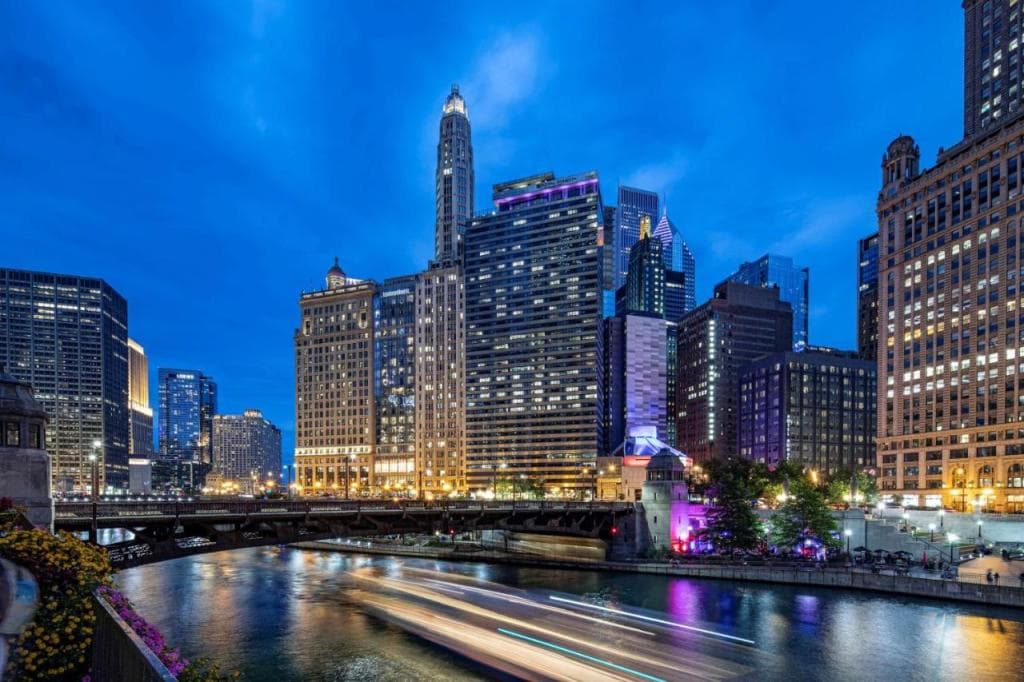
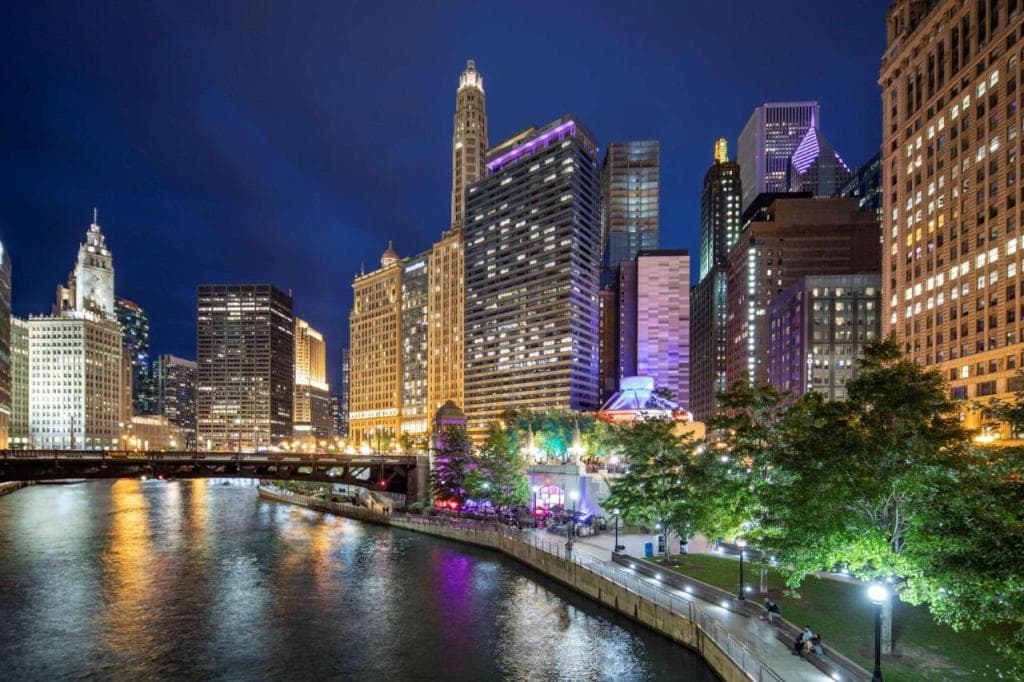
The lakefront location adds a distinctive dimension. Many properties offer views over Lake Michigan or the Chicago River, while easy access to the L train connects every district within minutes, making it simple to combine cultural sightseeing with evenings out.
Boystown, officially Northalsted, runs along Halsted Street between Belmont and Addison. Recognized in 1997 as the first municipally designated gay village in the country, it concentrates the city's most established bars, cabarets and dance clubs, with rainbow pylons marking its boundaries. Sidetrack, Roscoe's and Hydrate anchor a nightlife that runs from drag brunches to late-night DJ sets.
Further north, Andersonville offers a quieter, more residential alternative. Originally a Swedish enclave, it has become a beloved neighborhood for LGBTQ+ residents and visitors, particularly within the lesbian community. Independent bookstores, antique shops, brunch spots along Clark Street and intimate wine bars define its slower rhythm. The city also hosts a substantial leather and bear scene, particularly around International Mister Leather weekend each spring.
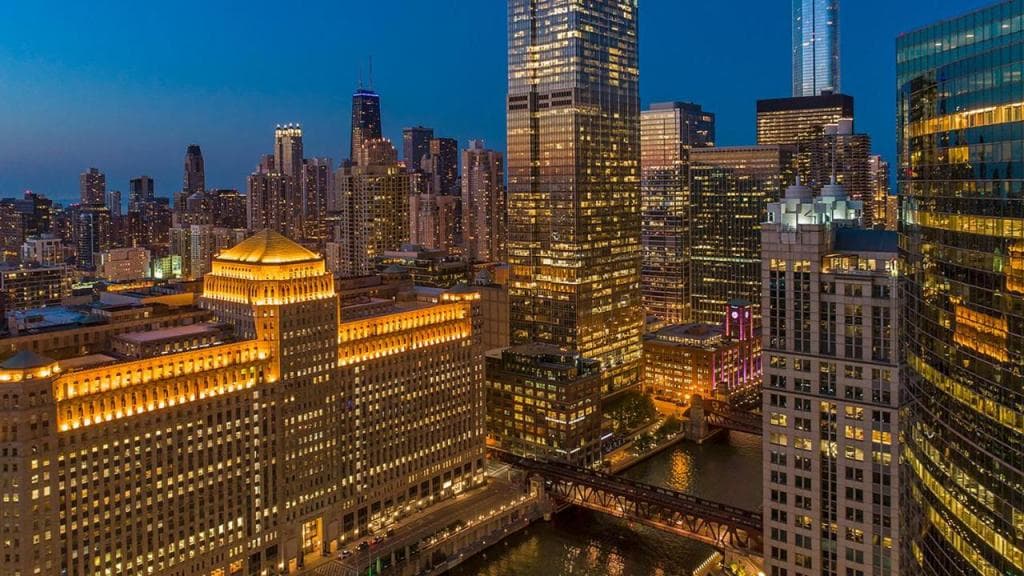
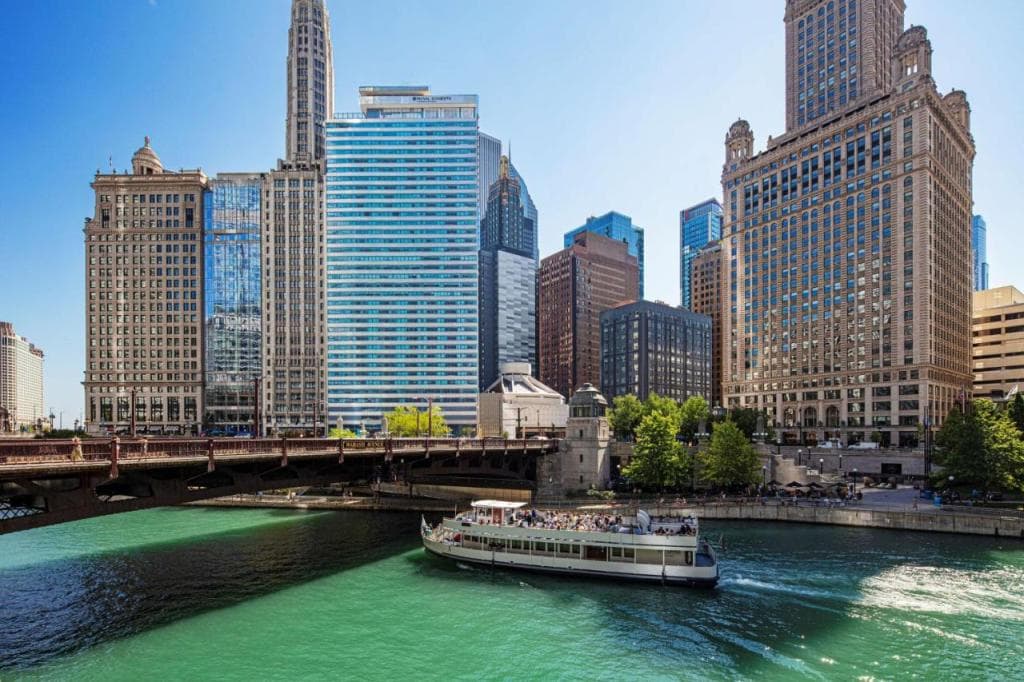
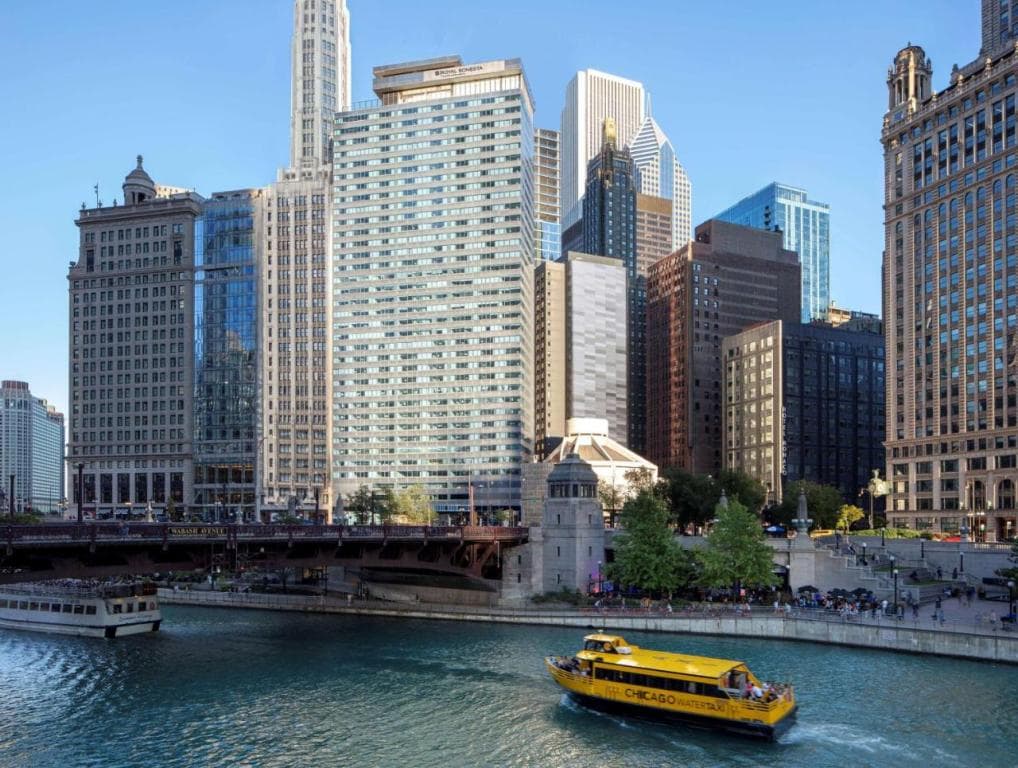
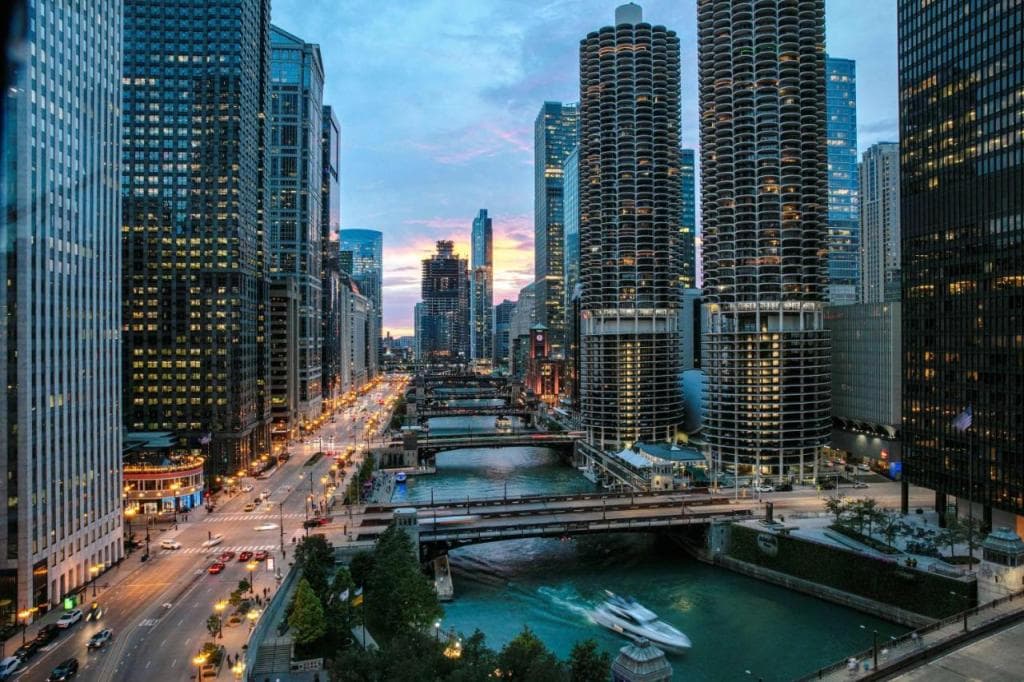
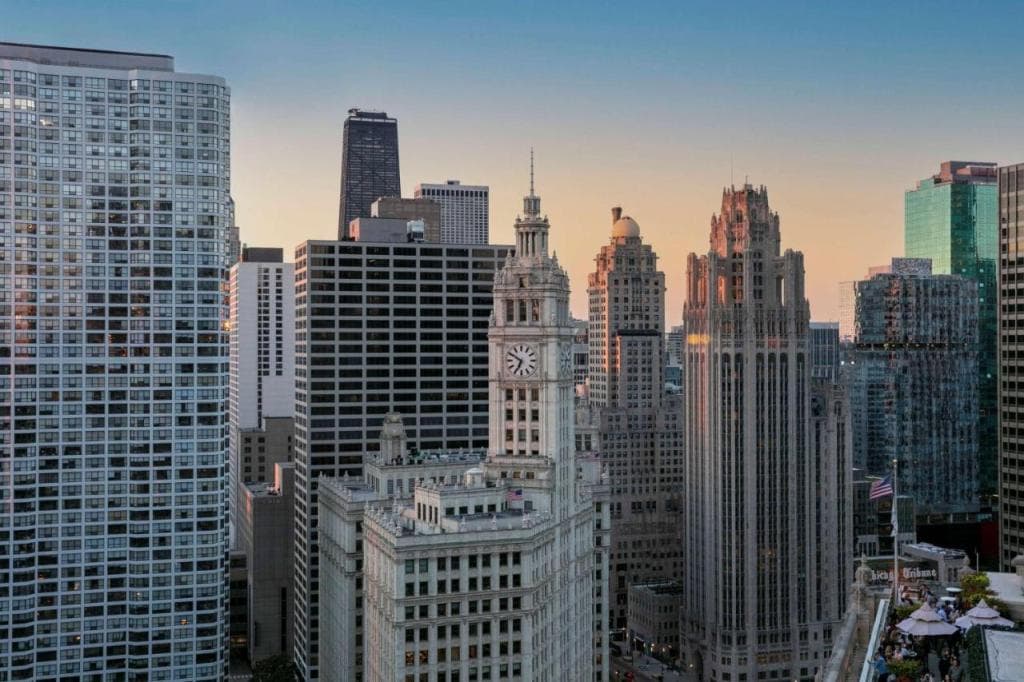
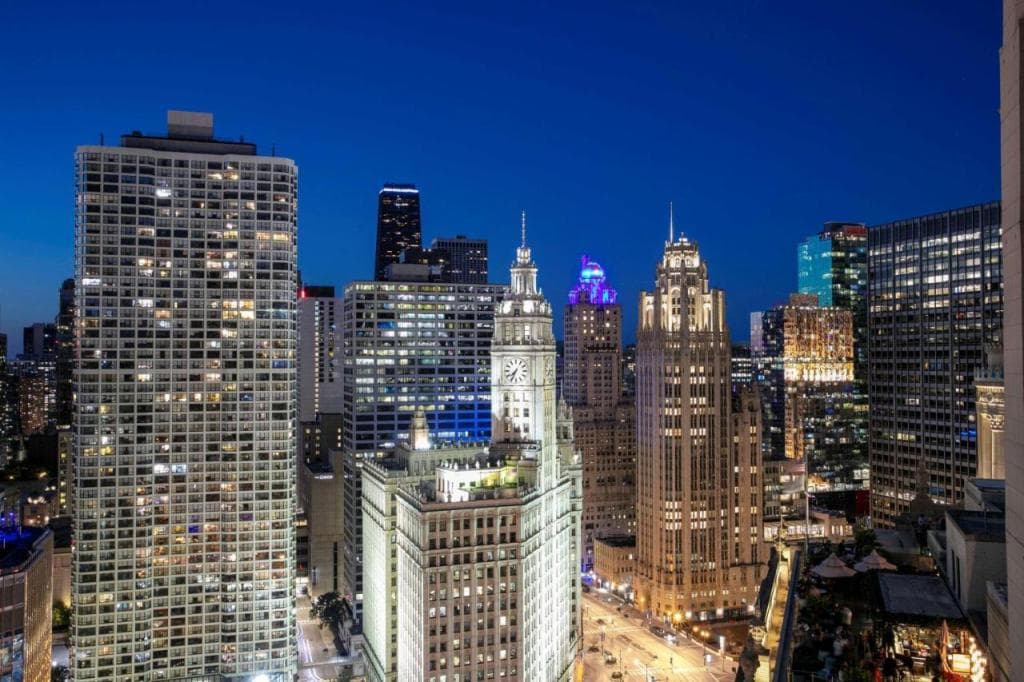
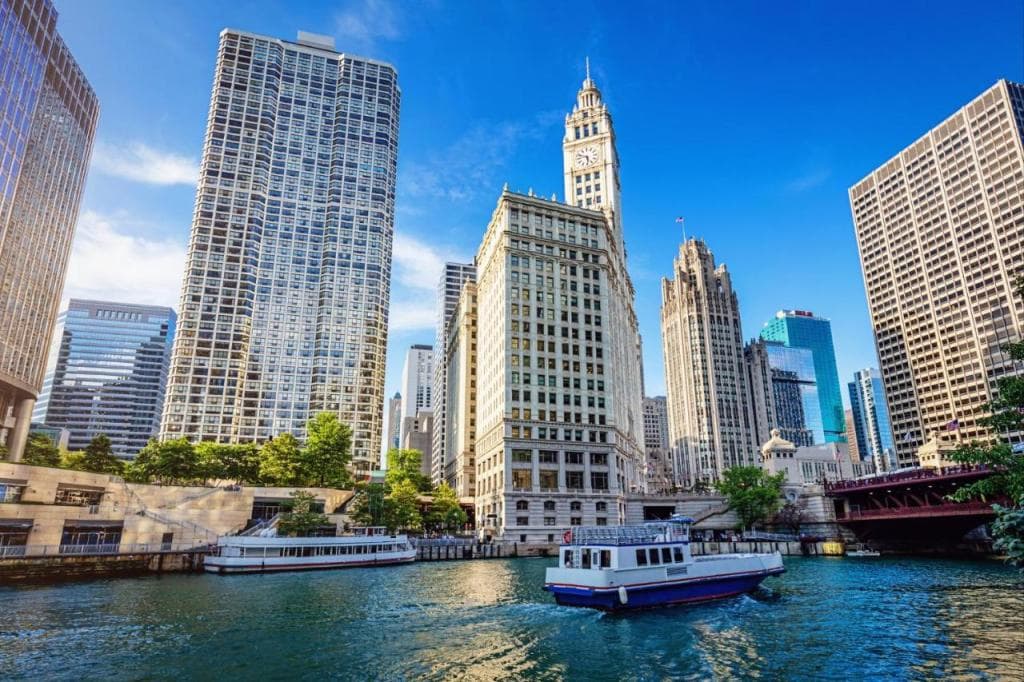
Chicago is a living museum of modern architecture. The skyline reads like a textbook of twentieth-century design, from the Art Deco Tribune Tower to the engineering feats of Willis Tower and the John Hancock Center. River cruises operated by the Chicago Architecture Center remain among the most rewarding ways to grasp the city's urban ambition.
Cultural institutions match the architectural pedigree. The Art Institute houses one of the finest collections in the United States, while the Museum of Contemporary Art and the Field Museum complete a remarkable cultural triangle. Millennium Park, with Anish Kapoor's Cloud Gate sculpture, anchors the lakefront alongside Navy Pier and the Riverwalk. Wrigley Field, just steps from Boystown, offers a quintessentially Chicagoan afternoon for baseball fans.
Late spring through early autumn is the ideal window. Chicago Pride, held every June, culminates in the Pride Parade through Boystown and Lakeview, drawing crowds that fill terraces and rooftops across the North Side. Market Days in August transforms Halsted Street into one of the largest street festivals in the Midwest. Winters are notoriously cold, but they bring their own appeal, with holiday lights along Michigan Avenue and a rich indoor calendar of theater, opera and jazz at venues like the Green Mill.